
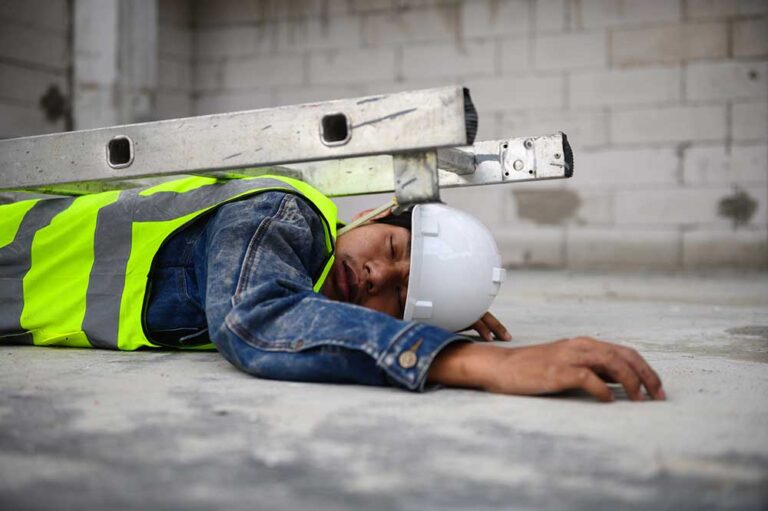
Understanding the Role of Third-Party Liability in Workers’ Comp Cases
Workers’ compensation provides financial protection for employees injured on the job, but not all workplace accidents are solely the result of employer or employee actions. In some cases, a third party may be partially or fully responsible for the injury. Understanding the role of third-party liability in workers’ comp cases is essential for employers, self-insured entities, and insurance carriers seeking to manage claims effectively and recover costs.
What is Third-Party Liability?
Third-party liability arises when an injury at work is caused, at least in part, by the negligence or actions of someone other than the employer or employee. Examples include:
- A defective product or machinery malfunction caused by a manufacturer’s negligence.
- An accident involving a subcontractor or another company’s employee on a shared job site.
- A motor vehicle accident caused by a third-party driver while the employee is working.
In such cases, the injured employee may pursue a workers’ compensation claim while also filing a separate personal injury claim against the responsible third party.
How Third-Party Claims Impact Workers’ Comp Cases
When a third-party liability claim is involved, the workers’ compensation insurer or self-insured employer may have a right to recover a portion of the benefits paid to the employee. This is often referred to as subrogation.
Through subrogation, the insurer or employer can seek reimbursement for medical expenses, lost wages, and other benefits from any settlement or judgment awarded to the injured employee in the third-party case. Subrogation ensures that the workers’ compensation system is not unduly burdened and that liability is appropriately allocated.
Key Considerations in Third-Party Liability Cases
- Coordination with Legal Counsel: Effective handling of third-party liability claims requires collaboration between the workers’ comp attorney and the attorney handling the third-party case. Coordination is crucial to protect the employer’s subrogation rights.
- Timing and Procedural Requirements: North Carolina law imposes strict deadlines for filing third-party claims. Employers and insurers must act promptly to preserve their rights.
- Evidence Collection: Establishing third-party liability requires thorough investigation and evidence gathering. Employers should preserve records and work closely with their legal team to build a strong case.
How Robinson & Lawing Can Assist
At Robinson & Lawing, LLP, we are experienced in navigating the complexities of workers’ compensation claims involving third-party liability. Our attorneys provide comprehensive support to workers’ compensation carriers, self-insured employers, and businesses, ensuring that subrogation rights are protected and claims are resolved efficiently.
Our team includes:
With a deep understanding of North Carolina’s workers’ compensation and liability laws, we deliver strategic guidance to help our clients recover costs and manage claims effectively.
Safeguard Your Interests in Workers’ Comp Cases
Third-party liability adds another layer of complexity to workers’ compensation claims, but with the right legal strategy, employers and insurers can protect their interests and minimize financial losses. Contact Robinson & Lawing, LLP today to learn how we can assist with your workers’ compensation and subrogation needs.
We strive to keep our content as current as possible. The information in this post is accurate as of its publication date and may not reflect subsequent legal developments.