


Understanding Premises Liability: When Property Owners May Be Responsible for Injuries
Property owners and businesses have a legal responsibility to maintain reasonably safe premises for visitors. When hazardous conditions result in injuries, questions often arise regarding who may be legally responsible and whether reasonable steps were taken to prevent the accident. These cases, commonly referred to as premises liability claims, can involve complex factual and legal issues that depend on the circumstances surrounding the injury.
Understanding how premises liability claims are evaluated can help both property owners and injured individuals better understand their legal rights and responsibilities.
What Is Premises Liability?
Premises liability refers to the legal responsibility property owners or those responsible for maintaining property may have when someone is injured because of an unsafe condition on the premises.
These claims may arise in a variety of settings, including:
- Retail stores
- Restaurants
- Office buildings
- Apartment complexes
- Hotels
- Parking lots
- Private residences
- Construction sites
Whether liability exists depends upon numerous factors, including the condition of the property, the actions of the parties involved, and the applicable legal standards.
Common Causes of Premises Liability Claims
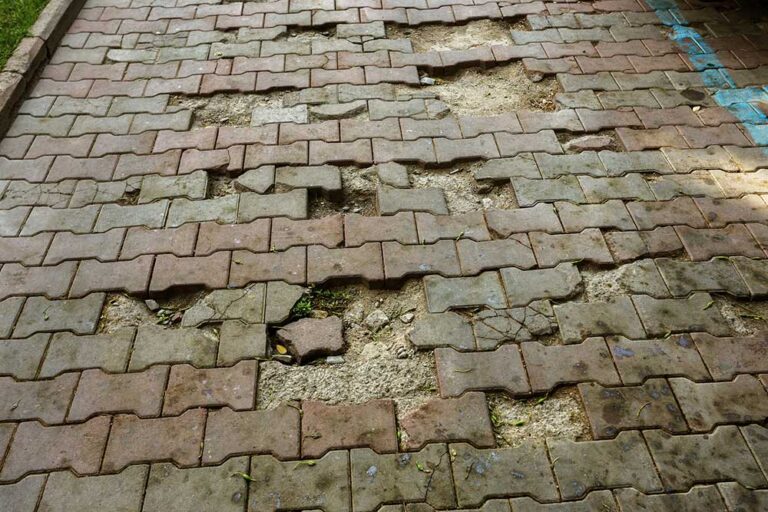
Unsafe conditions can develop in many different ways. Premises liability claims frequently involve allegations of wet floors, uneven walking surfaces, inadequate lighting, falling merchandise, unsafe stairways, broken sidewalks, negligent security, weather-related hazards, or poorly maintained common areas. While these examples are common, not every accident automatically results in legal liability. Each claim requires a careful evaluation of the specific facts and surrounding circumstances.
Reasonableness Often Determines Liability
Property owners are not insurers of every person who enters their property.
Instead, the law generally asks whether the owner or responsible party exercised reasonable care under the circumstances. Courts may consider whether a hazardous condition existed long enough to be discovered, whether the owner knew or should have known about it, whether reasonable inspections were conducted, whether appropriate warnings were provided, and whether repairs were made within a reasonable period of time. What constitutes “reasonable care” depends upon the facts of each individual case.
Preserving Evidence Is Important
Premises liability claims often depend upon evidence that may disappear quickly after an accident. Surveillance footage may be overwritten, hazardous conditions may be repaired, and witnesses’ memories may fade over time. Photographs, incident reports, maintenance records, witness statements, and medical documentation can all play an important role in evaluating liability and the extent of any injuries. Prompt investigation often helps preserve information that may later become critical.
Risk Management Benefits Property Owners
Property owners and businesses can often reduce liability exposure through proactive maintenance and thoughtful safety practices. Regular inspections, prompt repair of hazardous conditions, employee training, written maintenance procedures, incident reporting systems, and adequate lighting all contribute to a safer environment for visitors while reducing the likelihood of future disputes. Consistently documenting these efforts may also become valuable evidence if litigation later arises.
What Should You Do After a Premises Liability Accident?
Whether an injury occurs at a retail store, office building, restaurant, or private residence, the actions taken immediately afterward can affect both your health and your legal rights.
If you are injured on someone else’s property, consider taking the following steps:
- Seek appropriate medical attention as soon as possible.
- Report the incident to the property owner, manager, or business.
- Photograph the area where the accident occurred, if you are able.
- Obtain the names and contact information of any witnesses.
- Preserve any clothing or footwear involved in the incident.
- Avoid discussing fault until the facts have been fully evaluated.
Taking these steps can help preserve important evidence while ensuring your injuries are properly documented.
Key Points
- Premises liability claims arise when injuries are allegedly caused by unsafe property conditions.
- Not every accident creates legal liability.
- Property owners generally have a duty to exercise reasonable care in maintaining their premises.
- Early investigation and preservation of evidence are often critical to evaluating a claim.
- Proactive maintenance and documented safety practices help reduce legal risk.
Why Choose Robinson & Lawing
Premises liability cases often involve complex questions of property maintenance, negligence, insurance coverage, and damages. Robinson & Lawing represents both injured individuals and businesses in premises liability matters, providing practical legal guidance grounded in decades of litigation experience. Whether pursuing or defending a claim, our attorneys work to develop thoughtful legal strategies based on the unique facts of each case.
Connect with Robinson & Lawing’s Legal Intelligence
Premises liability law requires careful evaluation of both the facts surrounding an accident and the legal duties owed by property owners. Robinson & Lawing’s Legal Intelligence provides practical guidance on negligence, personal injury litigation, insurance issues, and risk management to help individuals and businesses better understand their legal rights and responsibilities.
If you have questions regarding a premises liability claim or would like to discuss your legal options, our attorneys are available to provide practical guidance tailored to your circumstances.
We strive to keep our content as current as possible. The information in this post is accurate as of its publication date and may not reflect subsequent legal developments.